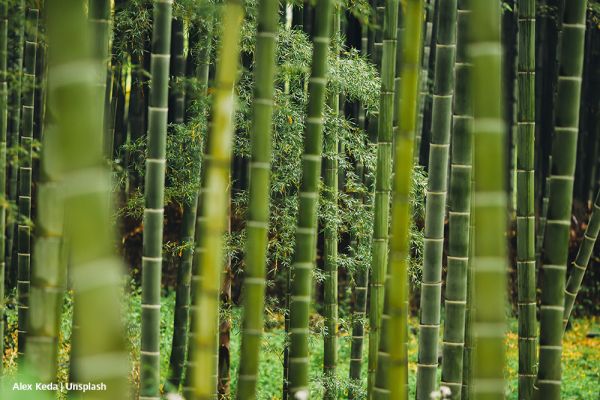
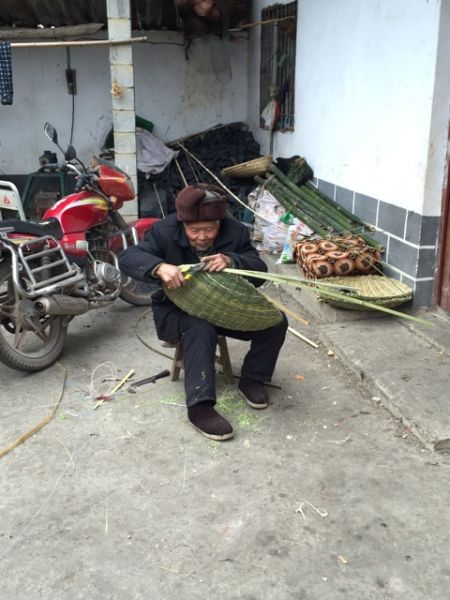
The Mamize Nature Reserve in South Chinas Sichuan province is known for its abundant biodiversity as a gene bank for plant and animal species. It is also on the southern edge of giant panda habitat, which is threatened as surrounding communities encroach on forests to gather firewood for their cooking needs.
Over two years, this project replaces 400 conventional open fire stoves (such as three stone fires and mud stoves) with firewood-saving cook stoves (FSCs) for communities in the Mamize Nature Reserve area. The new stoves are 75-80 cm high, and feature two 80cm-diameter pots; one for cooking, and another for animal forage. Unlike conventional cookstoves, which are inefficient and produce indoor smoke, the FCSs have an additional air flow system. This chimney and grate system combusts firewood more completely, filtering smoke out of the house via a 3-4 m chimney.
Their increased thermal efficiency means that the new FCSs require less fuelwood to cook, reducing emissions by as much as 10 tCO2 per stove annually. Not only does this help mitigate climate change, ease pressure on forests and protect giant panda habitat it also improves community health, as the FCSs dramatically reduce the amount of harmful indoor smoke created by cooking.
To learn more about the Sustainable Development Goals verified by the standard for this project, please check the registry link.

| Structure | Project at own risk |
|---|---|
| Impact Description | Their increased thermal efficiency means that the new FCSs require less fuelwood to cook, reducing emissions by as much as 10 tCO2 per stove annually. Not only does this help mitigate climate change, ease pressure on forests and protect giant panda habitat it also improves community health, as the FCSs dramatically reduce the amount of harmful indoor smoke created by cooking. |
| Solution Description | Over two years, this project replaces 400 conventional open fire stoves (such as three stone fires and mud stoves) with firewood-saving cook stoves (FSCs) for communities in the Mamize Nature Reserve area. The new stoves are 75-80 cm high, and feature two 80cm-diameter pots; one for cooking, and another for animal forage. Unlike conventional cookstoves, which are inefficient and produce indoor smoke, the FCSs have an additional air flow system. This chimney and grate system combusts firewood more completely, filtering smoke out of the house via a 3-4 m chimney. |
| Enable Hide Price | No |